Buying an older home can be a journey filled with charm and character, but it also presents a unique set of challenges. Understanding the potential issues lurking beneath the surface is crucial before making a purchase. Before anything else, you’ll want to ensure the foundation is reliable and stable. You might also need to see what’s hiding under old flooring to truly grasp the state of the property. This article details key inspection areas to focus on, helping you make an informed decision.
Foundation and Structural Integrity
A solid foundation is the backbone of any home. Inspectors focus on the foundation to ensure it is structurally sound and free from major cracks or shifts. Foundation issues can lead to significant repair costs and might affect the overall safety of the home. They also examine the walls, floors, and ceilings for any signs of structural distress, such as sagging or bowing.
Older homes are often full of charm but can have hidden structural issues. Inspectors look for moisture-induced weaknesses, especially in basements and crawl spaces. Poor drainage or improper grading around the home can lead to water accumulation, causing the foundation to weaken over time. The inspector’s keen eye ensures these potential problems are identified early.
Once structural issues are identified, priorities can be set for any necessary repairs or reinforcements. Homebuyers should be aware that these changes could involve a significant investment. The cost may be well worth it to avoid more severe problems later on, ensuring the long-term safety and reliability of the home.
Electrical Systems
Electrical systems are critical to the functionality of any home, especially older ones that may not be up to current standards. Inspectors check the home’s wiring to ensure it’s safe and capable of handling modern electrical loads. Outdated or faulty wiring can pose a serious fire hazard, making this check vital.
The type of wiring used in an older home can impact its safety and compliance with current building codes. Homes built several decades ago may still have knob-and-tube or aluminum wiring, which often requires replacement or upgrading. Inspectors also review the electrical panel to ensure it has adequate capacity and is not overloaded or poorly maintained.
In addition to the wiring and panel, inspectors check outlets and switches throughout the home for proper grounding and functionality. Ensuring that the electrical system is both safe and efficient is essential for preventing future problems. A thorough inspection could help the homeowner budget for necessary updates or rewiring.
Related article:
Smarter Solutions for Persistent Drain Problems
Plumbing
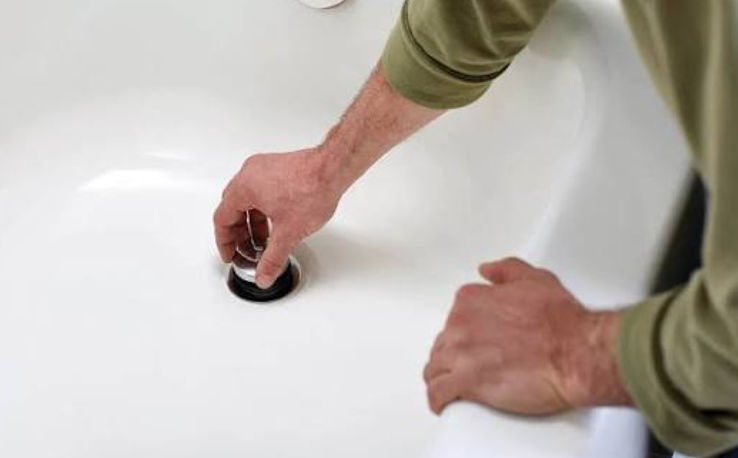
Older homes often have unique plumbing challenges that need thorough investigation. Aging pipes can become problematic, leading to leaks or reduced water pressure. Inspectors examine plumbing systems for signs of corrosion, blockages, and leaks that could indicate more serious underlying issues.
Besides the pipes themselves, inspectors also check fixtures, drains, and water heaters for proper operation. They seek potential water damage in the walls and floors that might reveal hidden issues. Water quality is another factor under scrutiny, ensuring there are no signs of contamination or unsafe mineral levels affecting supply.
Addressing plumbing issues in older homes could involve substantial repairs or component replacements. An informed buyer will understand these potential costs and can better plan for them. A sound plumbing assessment helps avoid unexpected surprises and ensures a reliable water supply.
Related article:
Garage Organization Systems That Work
Roofing and Attic
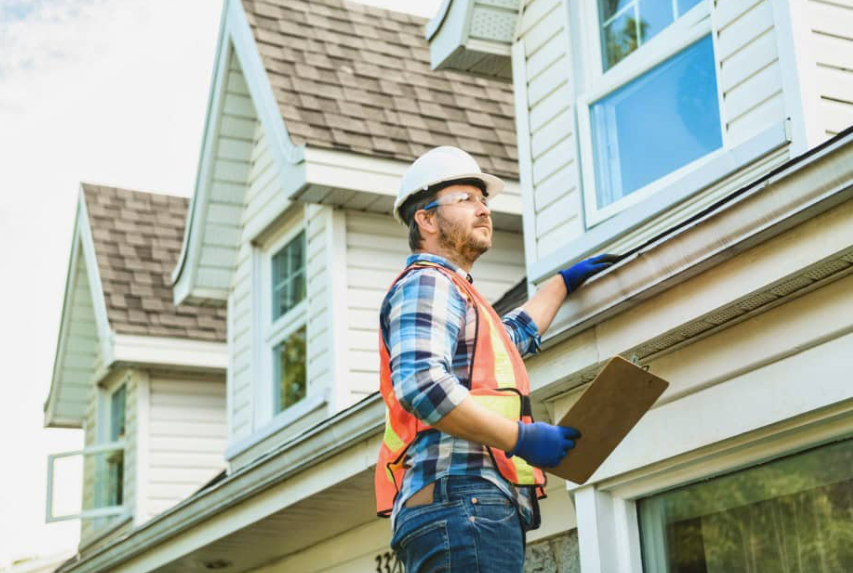
The roof is a home’s first defense against the elements, making its inspection a priority. Inspectors focus on identifying any missing or damaged shingles and evaluating the roof’s overall age and condition. A compromised roof can lead to water leaks and significant interior damage.
The attic is closely inspected alongside the roof, as it reveals a lot about a home’s condition. Inspectors look for signs of water intrusion, proper ventilation, and any structural shortcomings. Proper attic insulation is also crucial for energy efficiency and preventing moisture buildup.
Addressing roofing issues can be costly, depending on the materials and labor needed. Understanding these costs beforehand helps in making an informed buying decision. By examining both the roof and attic thoroughly, inspectors provide a comprehensive overview of potential repairs.
Heating, Ventilation, and Air Conditioning (HVAC) Systems
Efficient HVAC systems are essential for comfort and energy savings in older homes. Inspectors assess the age and condition of the furnace, air conditioner, and ductwork to determine their efficiency and lifespan. They also check filters and thermostats for proper functioning.
Older HVAC systems may lack modern efficiency and can contribute to higher utility bills. Inspectors will recommend replacement or maintenance if the systems are outdated or inefficient. Ensuring an updated HVAC system could significantly enhance a home’s comfort and value.
Good ventilation is integral to maintaining air quality in older homes. Inspectors assess whether natural and mechanical ventilation will suffice in preventing moisture concerns and maintaining a healthy living environment. Proper ventilation efforts also contribute to the longevity of other home systems.
Related article:
Circular Fashion Economy Explained
Pest and Mold Inspections
Pests and mold can silently wreak havoc on an older home if left unchecked. Inspectors look for any evidence of past or present infestations and assess the risk of future issues. Termites, for example, can cause extensive damage to wood structures if not promptly addressed.
Mold inspections focus on areas where moisture is prevalent, such as basements and bathrooms. Mold can pose serious health risks and quickly become a costly problem if not identified early. Inspectors use specialized tools to detect mold presence and the moisture levels conducive to its growth.
Proactively addressing pest and mold concerns is essential to maintaining a healthy home environment. Buyers should be aware of these risks and the costs associated with remedial actions. A comprehensive inspection provides a safeguard against future surprises and health hazards.
Safety Features
In older homes, safety features might not meet current standards, making their assessment crucial. Inspectors check for proper smoke and carbon monoxide detectors and ensure that locks and alarms are functional and up to date. Safety concerns extend to railings, staircases, and other structural elements of the home.
Many older homes lack proper safety structures, such as ground-fault circuit interrupters in wet areas. Inspectors advise on necessary updates to protect residents from electrical shocks and other dangers. Ensuring modern safety features can be an investment that protects both property and homeowners.
Inspectors might also evaluate emergency exit plans and window access, ensuring compliance with modern safety regulations. Addressing these aspects can greatly enhance the safety and peace of mind for new homeowners. A thorough safety inspection often leads to practical solutions for key safety enhancements.
Frequently Asked Questions
Why is a foundation inspection important in an older home?
A foundation inspection is crucial because it ensures the structural stability of the home. Any shifting or cracking can lead to costly repairs and compromise the overall safety of the property.
How can I identify outdated electrical systems in an older house?
An inspector can evaluate if a house has outdated wiring types such as knob-and-tube or aluminum. They also assess the condition of the electrical panel and whether it meets current safety standards.
What should I look for in the plumbing system of an older home?
Look for signs of corrosion, leaks, and blockages in the plumbing system. Ensuring fixture functionality and checking water quality are also important aspects of a plumbing inspection.
Are older HVAC systems less efficient?
Yes, older HVAC systems often lack modern efficiency and can result in higher energy bills. Inspectors can identify if these systems need maintenance or replacement for better performance and savings.
What are some signs of pest infestations in older homes?
Evidence of pest infestations includes visible damage to wood structures and the presence of droppings. Inspectors can further assess the risk and suggest prevention measures.
Conclusion
Purchasing an older home comes with its share of blessings and burdens. The historic charm is undeniable, yet potential hidden problems must be clearly understood to make informed decisions. A thorough inspection by a professional helps reveal underlying issues that might otherwise go unnoticed.
As a prospective buyer, understanding the key areas of focus during an inspection empowers you to make smarter choices. Addressing issues upfront leverages negotiations and helps plan future renovations. Embracing both the character and challenges of older homes ensures a satisfying and secure property investment.