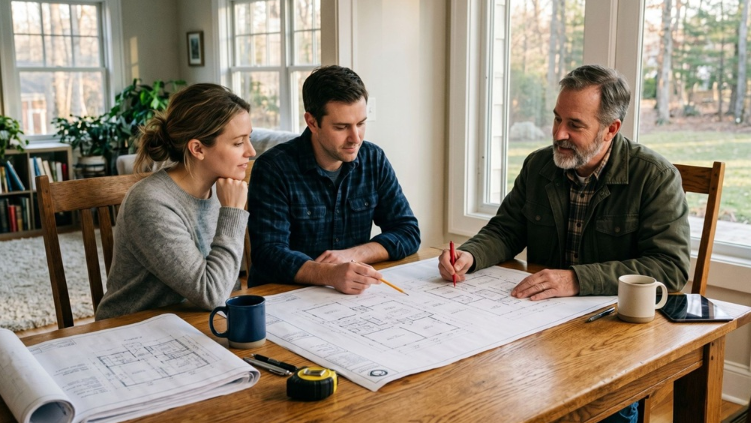
Residential housing markets continue to change as buyers look for properties that offer convenience, modern layouts, and practical features. Many people want a newly constructed home but do not necessarily want to manage a custom building project from the beginning. This has created opportunities for builders who develop properties based on expected buyer demand and offer them for sale when they are complete or nearly finished.
For buyers, a newly built property may provide an alternative to older houses that require renovation or maintenance. For builders, developing a home before securing a purchaser can create an opportunity to serve a wider group of customers. However, the approach requires market knowledge, careful budgeting, and a realistic understanding of local demand. Its popularity is connected to several factors, including convenience, design flexibility, modern construction standards, and changing buyer expectations.
The Appeal of Move-In-Ready Housing
One reason these properties attract attention is that buyers may be able to purchase a newly constructed home without waiting through the entire building process. Custom construction can involve many decisions, including floor plans, materials, fixtures, contractors, and project changes. Some buyers prefer to avoid these responsibilities.
A completed or nearly completed house allows purchasers to see the actual layout, finishes, and overall appearance before making a decision. They can walk through the rooms, examine the kitchen and bathrooms, and evaluate the available storage and outdoor space.
This visibility can make the buying process easier for people who want a clearer understanding of what they are purchasing. Buyers may also have a more predictable move-in timeline than they would with a project that has not yet started.
Modern Layouts and Practical Features
Many newly constructed homes are designed around contemporary living requirements. Buyers may look for open living areas, functional kitchens, comfortable bedrooms, useful storage, and flexible spaces that can support different activities.
Home working has also influenced housing preferences. A separate office or adaptable room can be useful for people who work remotely, study at home, or need a quiet area for personal projects. Builders may include these spaces when research suggests they are valued by local buyers.
Energy-conscious features can also contribute to appeal. Appropriate insulation, modern windows, efficient heating and cooling systems, and updated lighting may support indoor comfort and help manage utility consumption. The actual benefits depend on the quality of the installation and the way the home is used.
Reduced Design Responsibilities for Buyers
Custom home construction gives purchasers considerable control, but it also requires time and decision-making. Buyers may need to choose every finish, review plans, approve changes, and coordinate with the builder throughout the project.
A builder-developed property offers a different experience. Most design decisions have already been made, which may suit buyers who prefer a simpler purchasing process. They can focus on evaluating the finished property, comparing prices, arranging financing, and planning their move.
This convenience does not mean buyers should skip important checks. They still need to review the specifications, inspect the construction, understand warranties, and confirm which fixtures and appliances are included in the purchase price.
Builder Research Supports Market-Relevant Designs
The success of a builder-developed property depends heavily on understanding the local market. Builders examine recent sales, active listings, neighborhood characteristics, and buyer preferences before deciding what to construct.
This research helps determine the appropriate size, style, layout, and price range. A neighborhood with demand for smaller starter properties may not support the same design choices as an area where buyers are seeking larger family houses.
Builders can also study the features of competing properties. If buyers frequently choose homes with practical storage, dedicated parking, or flexible living spaces, these details may influence the planned design.
The goal is to create a property that appeals to a suitable group of purchasers without spending money on unnecessary upgrades. Market research can help builders make more informed choices about design and construction costs.
Opportunities for Residential Builders
Developing a property for sale before securing a buyer can allow builders to create a repeatable process. They may use similar floor plans, materials, construction methods, and contractor relationships across multiple projects, while still adapting each property to its location.
Standardizing certain features can make purchasing and scheduling more efficient. Builders may be able to negotiate with suppliers, coordinate trades more consistently, and develop a clearer understanding of expected construction costs.
However, repeating a design without considering the neighborhood can create problems. Buyers in different areas may have different expectations, and a floor plan that works well in one market may be less suitable in another. Successful builders combine operational consistency with local market research.
The Role of Location and Community Development
Location continues to influence residential demand. Buyers may consider access to workplaces, schools, healthcare, shopping, public transportation, parks, and other amenities. The quality of local infrastructure and the general character of the neighborhood can also affect purchasing decisions.
Builders should study the site itself as well as the surrounding area. Lot dimensions, soil conditions, drainage, utility access, zoning restrictions, and development requirements can influence both the construction budget and the final design.
Areas experiencing employment growth or infrastructure improvements may attract additional housing demand, but investors should avoid assuming that every planned development will increase property values. Projects, approvals, timelines, and local market conditions should be verified before they become part of an investment forecast.
Financing and the Builder’s Investment Strategy
Financing is a major factor in residential development because builders often need to pay for land and construction before receiving proceeds from a sale. A suitable funding structure can help manage project expenses and support the construction schedule.
Builders should understand the available loan terms, interest costs, fees, draw procedures, repayment requirements, and eligibility conditions. They should also calculate how long the project may take and how much it may cost to hold the property while it is being marketed.
builderfinance.com offers financing options for builders and real estate investors, including products related to residential construction and rental investment. Reviewing these options can help developers understand the categories of funding available for different project strategies.
A builder who intends to sell the completed property needs financing suited to that exit plan. A rental investor has a different objective because the property is expected to generate income over time. Spec homes are usually developed for sale, so builders should not assume that a rental-oriented loan is automatically suitable for their construction project.
How Rental Investment Strategies Differ
Some investors may decide to retain newly constructed houses rather than sell them. This may happen when local rental demand is strong or when the investor wants to build a longer-term property portfolio. However, keeping a home changes the financial model.
The investor must consider expected rent, vacancy, property management, repairs, taxes, insurance, and ongoing financing expenses. The property also needs to suit the needs of tenants, not only those of homebuyers.
Spec homes developed for resale are different from housing deliberately constructed and retained for rental use. The two approaches may involve similar construction activities, but their income models, exit strategies, and financing needs are not identical.
For investors planning a rental portfolio, spec homes that are intentionally retained may require a separate review of rental financing options. The lender may consider the property type, rental income, borrower experience, and other program requirements. A decision to retain a property should be supported by realistic financial projections rather than made solely because a sale takes longer than expected.
Changing Buyer Expectations
Buyer preferences can change as household needs, technology, and economic conditions evolve. Some purchasers may prioritize affordability, while others focus on energy efficiency, flexible work areas, low-maintenance materials, or access to local amenities.
Builders who monitor these changes can adjust future projects. They should avoid treating every new trend as a permanent requirement, however. Some features may attract attention without adding enough practical value to justify their cost.
The best approach is to identify which improvements are consistently valued by buyers in the target area. Speaking with real estate professionals, reviewing sales feedback, and examining competing listings can help builders make better decisions.
The Importance of Quality and Trust
Buyers expect newly constructed properties to be completed professionally. Poor workmanship, unfinished details, and unclear documentation can reduce confidence even when the home looks attractive.
Builders should work with qualified contractors, use suitable materials, follow applicable codes, and complete inspections at appropriate stages. Records of permits, warranties, product specifications, and approvals can help answer buyer questions.
Quality control also supports the builder’s reputation. A well-built property may lead to positive referrals and stronger relationships with local real estate professionals. These benefits can support future projects.
Managing Market Risks
Popularity does not remove the risks involved in residential development. Housing demand can change because of interest rates, employment conditions, available inventory, and buyer confidence. Construction costs may also increase during the project.
Builders should use conservative estimates and maintain contingency funds. They should monitor local listings and sales activity while construction is underway, then review the marketing strategy when the property is ready.
A realistic selling price is important. Pricing too high can extend the time on the market and increase carrying costs. Pricing too low may reduce the return on the investment. Comparable sales and current competition should guide the decision.
Conclusion
The growing interest in move-in-ready housing reflects buyers’ desire for convenience, modern features, and a clearer purchasing process. Builder-developed properties can meet these expectations when they are designed around local demand and constructed to a suitable standard. For builders, the approach can also support repeatable processes and opportunities to serve different residential markets.
Nevertheless, success depends on more than popularity. Market research, location selection, quality construction, realistic budgeting, and suitable financing remain essential. Understanding whether a project is intended for resale or long-term rental ownership is equally important. With careful planning and resources such as builderfinance.com, builders and investors can evaluate opportunities more confidently.