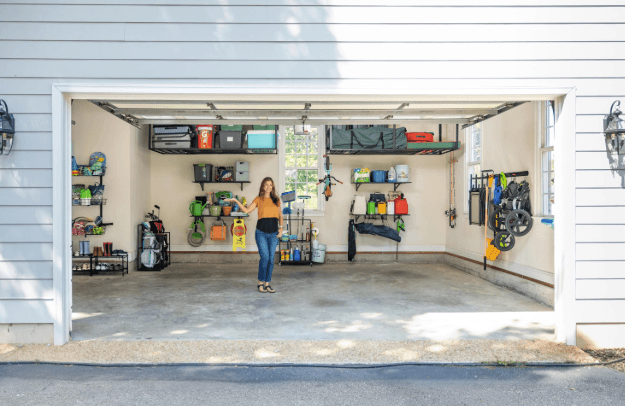
A practical approach to garage organization starts with a clear assessment of space and flow. It favors a modular mix of wall cabinets, pegboards, and open shelves to handle varied tools while preserving movement. Zones and legible labels guide daily routines, and budget-friendly upgrades keep projects feasible. The method centers on simplicity and repeatable steps. The next challenge is to map out the area and begin satisfying constraints that matter most, before selecting a system that fits.
How to Assess Your Garage Space for Storage Efficiency
Assessing a garage for storage efficiency begins with a clear inventory of current use and available space. The process notes what occupies floor area, wall space, and overhead potential, then identifies gaps between needs and access.
Assessing space, it prioritizes high-use items and traffic patterns, ensuring storage efficiency aligns with freedom to move and expand as needed.
Choose a Modular System: Wall Cabinets, Pegboards, and Shelves
Modular systems combine wall cabinets, pegboards, and open shelves to create flexible storage that fits varied tool sizes and daily workflows.
A modular system offers adaptable organization ideas, with wall cabinets containing bulkier items, pegboards supporting frequently used tools, and shelves housing supplies. This setup prioritizes accessibility, reduces clutter, and empowers users to reconfigure quickly as projects shift and spaces evolve.
Smart Labeling and Zoning for Daily Routines
Smart labeling and zoning build on the modular system by assigning distinct areas to daily tasks and tool groups. This approach clarifies workflows, reduces search time, and reinforces consistency. Labels should be legible and durable, while zones reflect natural daily rituals. When routines evolve, adjust labels and boundaries, preserving freedom with organized, repeatable patterns for smart labeling and daily routines.
Budget-Friendly Setup Ideas and Step-By-Step Implementation
Budget-friendly setup ideas center on making the most of existing items and low-cost upgrades to create an efficient, orderly garage workspace. The approach emphasizes garage budgeting, prioritizing essential gear, and repurposing containers. A step-by-step plan outlines quick wins, anchored by a simple storage workflow: assess, categorize, store, and adjust. Results: functional space, increased freedom, minimal cost, measurable organization gains.
Frequently Asked Questions
How Do I Prevent Moisture Damage in Garage Storage?
Moisture control and rust prevention come from proper storage practices: elevate items off concrete, use desiccants or dehumidifiers, seal shelving, ensure good ventilation, fix leaks, and convert to moisture-resistant containers. Regular checks maintain protection and freedom from damage.
What Are the Best Materials for Dusty, Outdoor Garages?
Metal shelving and weatherproof cabinets suit dusty, outdoor garages; durable organizers prevent clutter, while humidity resistant bins guard items. They provide practical, freedom-minded storage reliability, with easy access, low maintenance, and long-lasting performance in exposed environments.
Can I Customize Storage for Seasonal Gear Effectively?
Customization proves effective: one can customize storage to handle seasonal gear by modular cabinets, labeled bins, and a dedicated cycle rack. Results suggest flexibility, quick access, and reduced clutter, supporting practical, freedom-loving approaches to year-round organization.
How Often Should I Reevaluate My Garage Layout?
A practical cadence: re evaluating layout every 6 to 12 months, adjusting for seasonal tools and workload shifts. The frequency of reevaluation depends on usage and changing needs, ensuring space remains efficient and adaptable for the user.
See also: AgriTech Innovations
What Security Measures Protect Stored Valuables in Garages?
Security measures include robust security cameras and strict access control, safeguarding stored valuables in garages; they deter theft, log activity, and limit entry, enabling owners to monitor premises remotely while maintaining freedom to manage belongings confidently.
Conclusion
A careful inventory was taken, zones defined, and a modular rhythm established. The system began to hum: cabinets hold the heft, pegboards glitter with hooks, shelves breathe open space. Yet the true test loomed—whether the layout would evolve with need or stall with habit. As labels align and routines sharpen, one question lingers: what will the next tweak reveal about hidden trouble spots and faster, more confident gear? The garage waits, patient, for the reveal.