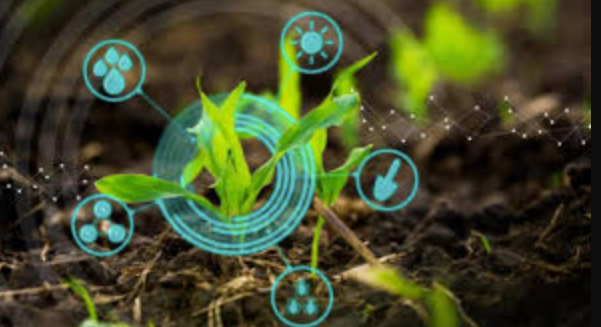
AgriTech startups are advancing at the intersection of robotics, AI, and data-driven farming. They deploy sensor networks, autonomous systems, and interoperable platforms to optimize water, nutrition, and crop health while reducing labor and inputs. Real-time decision-making and modular solutions enable scalable resilience from field to indoor environments. This momentum suggests durable efficiency gains for farmers, yet the sector’s complex deployments invite further scrutiny and opportunities across diverse contexts.
Why AgriTech Is Racing Ahead for Farmers
The rapid advancement of AgriTech is reshaping farm operations by increasing yields, reducing costs, and improving resource efficiency. Data-driven platforms quantify inputs, monitor soil and climate, and optimize decisions, empowering autonomy. However, data privacy safeguards must accompany innovation, ensuring trust. Farmer education emerges as a priority, translating analytics into practical practice and sustainable profitability for a freedom-driven agricultural future.
Indoor AgriTech: Robotics, AI, and Automated Yields
Indoor AgriTech combines robotics, AI, and automation to drive consistent yields under controlled environments.
Industry players deploy robotics automation to monitor crops, optimize lighting, climate, and nutrient delivery, and reduce labor costs.
Data-driven platforms enable predictive maintenance and real-time adjustments, boosting throughput in vertical and indoor farming operations.
Forecasts favor scalable systems, modular tooling, and interoperable sensors for autonomous cultivation cycles.
Field-Scale Startups Pioneering Sensor to Soil Analytics
Field-scale startups are advancing soil analytics through sensor-driven platforms that deliver real-time, field-wide insights. They deploy distributed sensor networks to monitor moisture, temperature, and salinity, translating data into actionable decisions.
Emphasis on continuous calibration enhances soil impedance modeling, enabling precise irrigation and nutrient timing. The approach supports autonomous field management, fostering resilient, data-informed farming that preserves freedom and efficiency for producers.
Water, Nutrition, and Crop Health: Smart Platforms to Watch
What platforms are redefining crop viability through integrated water, nutrition, and health analytics, and how do they translate multi-sensor signals into actionable agronomic decisions? They synthesize irrigation, soil moisture, plant health, and nutrient data into prescriptive insights, enabling precise water stewardship and nutrient optimization. Early adopters report reduced inputs, improved yields, and scalable farm-wide dashboards guiding proactive, data-driven management decisions for resilient agriculture.
Frequently Asked Questions
How Do Agritech Startups Achieve Rapid ROI for Farmers?
Rapid ROI for farmers arises through precise inputs and reduced waste, as soil sensor ROI accelerates decision-making. Drone automation farmers enable scalable monitoring, timely interventions, and yields optimization, while data-driven models forecast outcomes and maximize profit margins.
What Funding Stages Are Common for Early Agritech Ventures?
Early venture funding commonly follows seed, Series A, and occasional Series B rounds for agritech, with 20% of early-stage deals convertible to grants. These funding stages enable rapid scaling while maintaining operational flexibility and mission alignment for freedom-seeking founders.
How Do Startups Validate Field Performance Across Regions?
They validate field performance across regions by tracking leading indicators and enabling data interoperability, comparing metrics across sites, standardizing protocols, and adjusting for regional variability, delivering data-driven insights that empower ventures to scale with freedom and precision.
What Are the Regulatory Hurdles for Agri-Biotech Innovations?
Regulatory pathways for agri-biotech innovations hinge on biosafety approvals, with evolving frameworks shaping market access constraints; authorities balance risk with innovation, driving data-driven risk assessments and global harmonization to enable scalable, freedom-oriented agricultural solutions.
See also: AgriTech Innovations
Which Partnerships Maximize Farmer Adoption and Scale?
Partnership models that align incentives with farmers maximize adoption, while scalable support networks accelerate diffusion; farmer adoption metrics show faster uptake, durable usage, and measurable productivity gains, guiding strategic collaborations toward transparent governance, remote sensing, and data-driven decision tools.
Conclusion
AgriTech startups are accelerating farming efficiency through autonomous robotics, AI-driven decision tools, and modular platforms that connect field data to actionable insights. Indoor and field-scale solutions are reducing labor, conserving resources, and boosting yields with predictive analytics and real-time monitoring. Despite varied contexts, the trajectory is clear: interoperable systems and scalable models will enable precise agriculture at scale. In short, the industry is moving full steam ahead, and farmers can expect measurable gains that compound over time. The future looks bright.