A circular fashion economy reimagines the clothing lifecycle to reduce waste and maximize value. It emphasizes durable, repairable, and modular design, transparent supply chains, and standardized material flows to curb leakage and quality loss. Viable business models favor product longevity, rental or service schemes, and take-back programs. Consumers must engage through informed choices and repair networks. Yet questions remain about scalability, metrics, and governance, leaving firms and policymakers with a clear target and a challenging path forward.
What Is a Circular Fashion Economy?
A circular fashion economy is an approach that redesigns the lifecycle of clothing to minimize waste and maximize value. It reframes production, consumption, and end-of-use into closed loops, emphasizing accountability and transparency. Design ethics guide material choices, longevity, and repairability, while recycling incentives encourage collection, sorting, and processing. Critics demand measurable impact, scalable models, and consumer empowerment within ethical, freedom-centered systems.
How Materials Move: Design, Durability, and Recycling
How do materials move through a circular fashion system when design, durability, and recycling intersect? Materials flow from conceptual design to durable, repairable products, then into collection and sorting streams. Recycling processes transform end-of-life items into feedstock, enabling second lives. Critical evaluation reveals leakage and quality loss; solutions emphasize modular design, standardized materials, and transparent tracing to optimize material loops and freedom to innovate.
Business Models That Drive Circularity
Circularity in fashion is driven by business models that align incentives with longevity, reuse, and responsible material stewardship rather than sheer volume. These models emphasize product-as-a-service, repair networks, and take-back schemes, reinforcing transparency and accountability. Design ethics guides collaboration across partners, while supply chain resilience ensures dependable sourcing and waste reduction. Critics demand measurable impact, scalable pilots, and consumer trust to sustain systemic transformation.
How Consumers Enable a Circular System
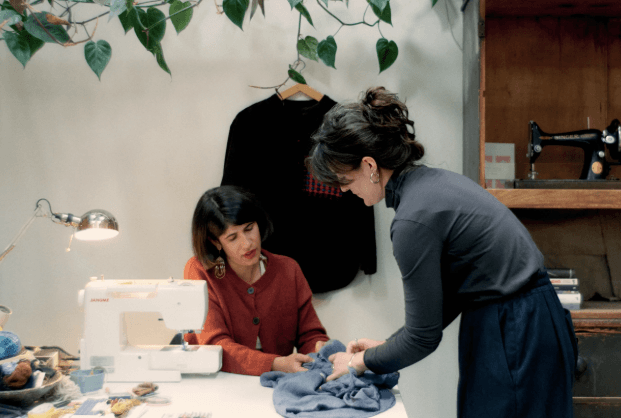
Consumers play a pivotal role in enabling a circular system by shaping demand signals, extending garment lifespans, and supporting transparent value chains. This agency must be coupled with measurable recycling incentives and robust consumer accountability to prevent greenwashing. While individual choices matter, systemic templates—retail take-back, repair networks, and standardized material flows—clarify responsibility, reduce waste, and empower freedom through verifiable circularity.
Frequently Asked Questions
How Do Circular Fashion metricsAccount for Social Impact and Labor Rights?
Circular metrics incorporate social impact and labor rights through standardized indicators, audits, and supply chain governance; they balance environmental gains with fair labor practices, yet face data gaps, vendor variability, and enforcement challenges, prompting continuous improvement and transparent reporting for freedom-focused stakeholders.
What Role Do Policymakers Play in Accelerating Circular Fashion?
Policymakers accelerate circular fashion by offering policy incentives and strengthening supply chain governance; they incentivize sustainable design, repair, and resale while enforcing transparency, labor rights, and environmental standards, thereby balancing freedom with accountability in market-driven transitions.
Can Circularity Scale for Luxury Brands Without Compromising Exclusivity?
Circularity can scale for luxury brands without sacrificing brand exclusivity if circular processes enhance provenance, scarcity, and customization, while maintaining craftsmanship. Critics note risk of dilution; solutions focus on transparent lifecycle data, selective collaboration, and premium circular luxury storytelling.
How Is Circularity Measured Across Global Supply Chains?
Measurement frameworks and supply chain transparency quantify circularity across global networks, enabling benchmarking, gaps identification, and improvement. A detached analysis notes variability, demands standardized indicators, and promotes auditable data while pursuing scalable, freedom-forward, solutions-oriented accountability.
See also: AgriTech Innovations
What Risks Threaten the Circular Fashion Transition and How Mitigate Them?
A case study on a regional textile cooperative shows risks dependency on single suppliers and markets, threatening circular fashion transitions; mitigation finance enables diversification, resilient infrastructure, and scalable repair networks to reduce exposure and sustain circular investments.
Conclusion
A circular fashion economy reorganizes value around longevity, repair, and reuse rather than disposal. It emphasizes durable, modular design, transparent flows, and take-back schemes to minimize waste and leakage. While business models like product-as-a-service foster accountability, widespread adoption requires standardized tracing and consumer participation in repair networks. The system functions like a well-tuned engine: every part must fit, signal, and return materials cleanly. Only through rigorous metrics and persistent collaboration can true circularity be achieved.