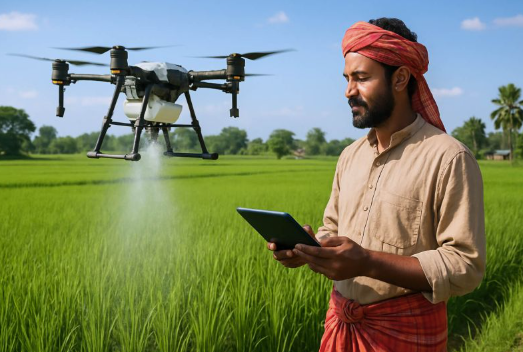
AgriTech Innovations blends digital tools, data analytics, automation, and biotechnology to improve farming productivity and sustainability. It converts weather, soil, and crop signals into actionable guidance for resource use, crop selection, and risk management. The approach includes biofuel crops, vertical farming, and autonomous systems that reduce labor gaps and human error. The result is resilient, scalable farming that supports sustainable decisions, yet questions remain about cost, access, and implementation across diverse farming contexts.
What Is AgriTech Innovations All About?
AgriTech Innovations refers to the development and deployment of digital tools, data analytics, automation, and advanced biotechnology to improve agricultural productivity, sustainability, and resilience. It describes how data-driven insights optimize resource use, crop selection, and risk management. Biofuel crops and vertical farming illustrate diversified strategies, balancing energy needs with ecological impact while empowering farmers to make informed, autonomous decisions for broader freedom and resilience.
How Robotics and Autonomy Boost Farm Yields?
Robotics and autonomy are transforming farm operations by enabling precise, around-the-clock management of crops and resources. autonomous machines—ranging from weeding and spraying drones to robotic harvesters and soil sensors—perform repetitive tasks with consistent accuracy, reducing labor gaps and human error.
In this context, robotics enabled weeding and autonomous harvesters contribute measurable yield gains and resource efficiency across diverse crops.
Data-Driven Farming: Weather, Sensors, and Decision-Making
Weather data, sensor networks, and data-driven decision-making fuse to optimize farm operations beyond autonomous tasks.
In this view, precision farming relies on sensor integration to monitor soil, moisture, and microclimates, informing timely actions.
Sustainability analytics quantify impact, while climate adaptation guides resilient choices.
The approach emphasizes transparent metrics, scalable insights, and farmer autonomy, balancing data clarity with practical, freedom-oriented farming decisions.
Building a Climate-Smart, Sustainable Farm With Tech
Building a climate-smart, sustainable farm with technology centers on integrating data, devices, and decision-support to reduce risk and resource use. The approach links soil health and nutrient cycles with real-time sensors, enabling precise irrigation and automated farming. Robotics and automation reinforce climate resilience, supporting carbon farming, pest management, and yield optimization while data-driven monitoring optimizes practices and promotes freedom through informed choices.
Frequently Asked Questions
What Are the Upfront Costs of Adopting Agritech Innovations?
Upfront costs for agritech adoption vary, influenced by equipment, software, and integration. Training requirements and farm staff upskilling add ongoing expenses. Decision-makers weigh capital outlays against long-term ROI, maintenance, and potential productivity gains in a data-driven, freedom-focused view.
How Long Is the Typical ROI for Smart Farming Tech?
The ROI for smart farming tech typically spans 2–5 years, depending on scale and integration. In practice, roi timelines hinge on equipment utilization and data interoperability, with measurable gains from efficiency and yield alongside ongoing cost optimization.
Can Small Farms Scale Agritech on a Budget?
Budget-friendly scaling is feasible for small farms through phased adoption and shared resources. The approach relies on scalable, modular tools, pilot programs, and open partnerships; data shows partnerships reduce upfront costs while expanding value and operational freedom.
See also:homesblogs
What Training Is Needed for Farm Staff?
Training needs emphasize practical, on-field mentorship, with hands-on modules and competency assessments. Programs should blend data-driven dashboards, safety protocols, and scalable curricula, ensuring staff gain measurable skills while preserving autonomy and adaptability in diverse field conditions.
How Secure Is Farm Data From Cyber Threats?
How secure is farm data from cyber threats? Security audits reveal vulnerabilities, while robust data privacy measures reduce risk; ongoing monitoring matters. A clear-eyed, data-driven view supports informed decisions, empowering stakeholders pursuing freedom while safeguarding critical agricultural information.
Conclusion
AgriTech Innovations epitomizes a data-driven shift in agriculture, where automation, sensors, and bio-based strategies converge to raise yields while cutting inputs and emissions. By translating weather patterns, soil metrics, and crop signals into actionable decisions, the approach reduces risk, improves resource use, and strengthens farm resilience. For example, a hypothetical midsize farm using soil moisture sensors, real-time weather feeds, and autonomous harvesters could boost yields 15–20% while lowering water use and fertilizer runoff through precise, site-specific management.