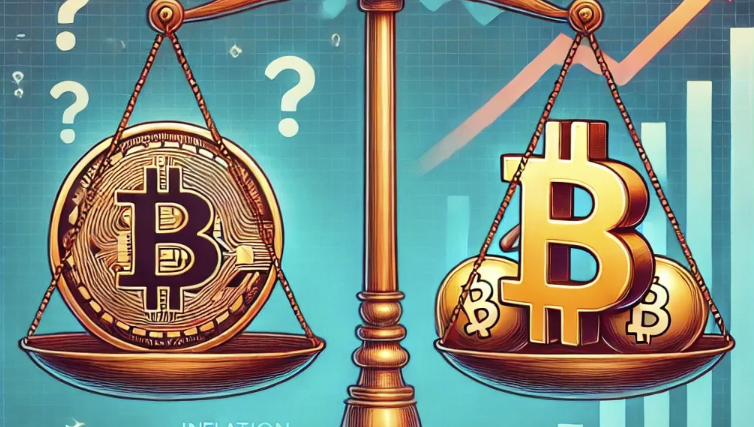
Inflation and crypto serve as hedges with distinct channels: inflation influences real yields and macro risk, while crypto reflects idiosyncratic liquidity and regime shifts. Their relationship is neither stable nor fully additive, and correlations shift with policy, liquidity, and market sentiment. An empirical, disciplined approach is required to test hedging effectiveness, backtest strategies, and set transparent assumptions about scarcity and inflation. The implications for portfolios are nuanced, and the landscape invites careful scrutiny before conclusions emerge.
What Inflation and Crypto Really Mean for Risk and Return
Inflation and cryptocurrency markets interact with risk and return in distinct but interconnected ways. The analysis emphasizes inflation dynamics as a macro driver influencing real yields and volatility, while crypto risk reflects idiosyncratic factors, liquidity, and regime shifts. Observers note uncertainty in correlation patterns, requiring cautious, empirical assessment of hedging effectiveness and the stability of long-run risk premia under evolving inflation pressures.
How Each Hedge Works: Traditional Money vs. Digital Scarcity
Traditional money and digital scarcity present two distinct hedging paradigms, each anchored in different asset bases and risk channels. Inflation hedges rely on monetary mechanics and expectations, while crypto scarcity hinges on supply constraints and network theory.
Both demand disciplined evaluation of volatility, correlation, and regime shifts; neither guarantees shelter, yet each informs risk budgeting through disciplined, transparent assumptions about inflation and scarcity dynamics.
Practical Portfolio Framework: When to Tilt Toward Crypto or Inflation Havens
A systematic framework for tilting toward crypto or inflation havens hinges on regime-aware assessment of risk, return, and correlation dynamics. The approach weighs inflation exposure against crypto volatility, emphasizing diversification and disciplined rebalancing. It favors transparent, rule-based decisions, avoids overconfidence amid regime shifts, and relies on empirical backtests to calibrate tolerance for drawdowns while preserving long-run upside potential.
Signals to Watch: Macro Triggers, Liquidity, and Narrative Health
Macro frameworks for assessing inflation hedges vs. crypto rely on timely signals that reflect macro pressure, liquidity conditions, and the strength of prevailing narratives.
The discussion centers on inflation timing and crypto correlation to gauge regime shifts, liquidity stress, and narrative health.
Signals are evaluated with empirical rigor, avoiding overinterpretation while acknowledging uncertain cross-asset dynamics and the value for disciplined, freedom-minded allocation.
Frequently Asked Questions
How Does Crypto Volatility Affect Hedging Effectiveness Over Time?
The answer indicates that crypto volatility reduces hedging effectiveness over time, with Bitcoin volatility and evolving liquidity dynamics introducing persistent risk. Empirical caution suggests hedges may deteriorate in stressed regimes, demanding diversification and robust risk controls for freedom-minded observers.
Can Inflation Hedges Lose Value During Stagflation Regimes?
Inflation hedges can lose value during stagflation regimes, as inflation dynamics interact with growth stagnation, reducing real returns. While diversification mitigates risk, investors should assess sensitivity to stagflation risks and monitor evolving monetary conditions and asset correlations.
Do Central Bank Policies Impair Crypto’s Hedging Role?
Central bank policy can attenuate crypto’s hedging role; inflation dynamics may shift risk premia and liquidity. The evidence is mixed, suggesting cautious interpretation and rigorous testing rather than definitive hedging guarantees for crypto assets under policy regimes.
Should Notional Exposure Differ for Long-Term vs. Short-Term Horizons?
Not necessarily; notional exposure should align with hedging horizons, as longer horizons may tolerate greater inflation exposure. The figure requires empirical calibration, with cautious interpretation, acknowledging that risk-return tradeoffs vary for investors seeking greater freedom.
See also: AgriTech Innovations
How Do Taxes Influence After-Tax Hedging Efficiency?
A striking 72% tax-adjusted hedging efficiency discrepancy emerges, as taxes influence after-tax hedges. Tax treatment, wash sale rules, tokenomics, and mining incentives jointly shape outcomes, demanding rigorous, empirical caution for freedom-seeking investors navigating hedging strategies.
Conclusion
Investors should view inflation hedges and crypto as complementary, not interchangeable, tools within a disciplined framework. Empirical evidence points to regime-dependent benefits and distinct risk channels, demanding transparent assumptions about scarcity, liquidity, and macro shocks. A rule-based rebalancing approach, coupled with diversified exposures and clear exit criteria, helps prevent overreliance on any single hedge. In this landscape, crypto is a volatile flare and inflation hedges a stabilizing ballast, each illuminating different corners of risk. Like weather and tide, neither guarantees shelter.